
How Horse Ownership Nurtures Health and Well-Being
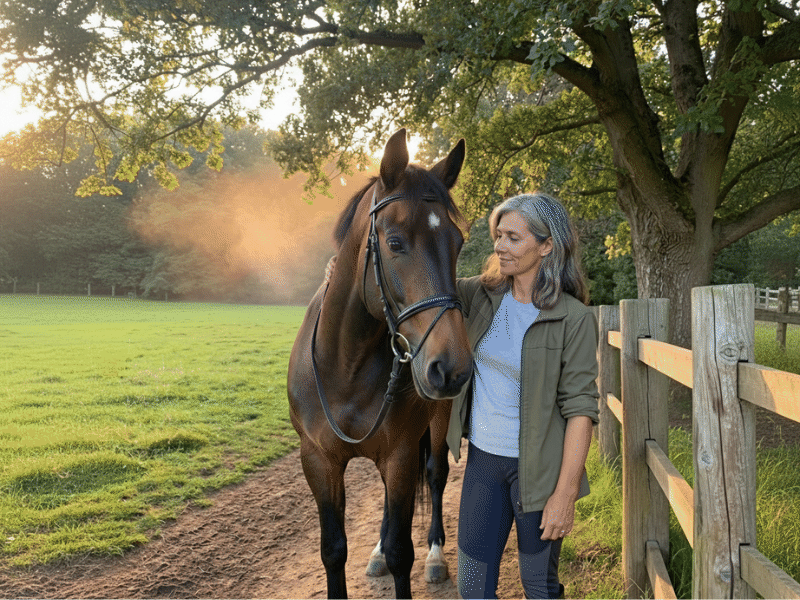
Owning a horse isn’t only about saddles, speed, or ribbons. It’s a living relationship that reshapes your days—through movement, mindfulness, and community. Horse ownership can profoundly elevate both physical and mental health by combining outdoor activity, emotional regulation, and purpose-driven routine.
In short
Regular interaction with horses strengthens the body, soothes the mind, and fosters belonging. From cardiovascular fitness to confidence and empathy, every ride and chore translates into measurable well-being.
Why Horses Change the Way We Feel
Horses tune humans to rhythm and response. Riding stimulates balance, coordination, and core strength while lowering resting heart rate over time. Grooming, feeding, and groundwork create quiet, repetitive motion that lowers cortisol. Researchers at the University of Sussex note that equine-human bonding can reduce anxiety in ways similar to mindfulness meditation.
Physical Outcomes
- Improves posture and spinal alignment
- Builds muscle tone in the back, abdomen, and legs
- Enhances cardiovascular endurance through moderate exertion
- Encourages daily mobility—stall chores alone can burn 300–400 calories per hour
The Mental Health Connection
| Wellness Domain | How Horse Ownership Helps | Typical Result |
| Stress Relief | Rhythmic grooming and riding mimic meditative breathing patterns | Lowered cortisol, calmer mood |
| Emotional Awareness | Horses mirror human tension; owners learn to self-regulate | Increased empathy and emotional literacy |
| Cognitive Focus | Riding requires split-second decisions and spatial planning | Sharper concentration and memory |
| Resilience & Routine | Daily feeding and care structure time | Greater life stability, purpose |
The Social and Community Benefits
Horses connect people. Barn communities often act as micro-villages where advice, laughter, and mutual aid thrive. Studies from equine therapy programs show that teamwork in stables reduces feelings of isolation.
Trail riding clubs, local shows, or volunteer programs expand networks and supply positive social feedback—an antidote to digital fatigue.
How to Harness the Health Gains
- Ride or do groundwork three times per week for steady cardiovascular benefit
- Mix mounted and unmounted sessions—lunging, walking beside, or liberty work count
- Track progress in a simple journal: note mood, energy, and physical pain levels
- Schedule annual veterinary and farrier visits to reduce stress from unexpected health issues
- Integrate stretching or yoga after rides to prevent stiffness
The Practical Side of Caring for a Horse
Health benefits only flourish when the animal thrives too. Proper care routines ensure safety for both horse and rider.
How to Keep Everything Organized
Maintain feeding charts, deworming schedules, and veterinary notes in digital form. Store each document—vaccination records, dental charts, shoeing invoices—as PDFs. To simplify management, you can merge PDF online so your horse’s microchip info, vet reports, and farrier logs live in one easily shareable file.
Quick retrieval of these records protects your horse’s welfare and keeps owners stress-free during emergencies or boarding transfers.
Frequently Asked Questions
Q: Can beginners gain health benefits without riding daily?
Yes. Even groundwork and grooming improve flexibility and mindfulness; consistency matters more than speed or skill.
Q: How expensive is it to maintain a horse?
Costs vary by region, but budgeting for board, feed, veterinary care, and equipment is essential. Cooperative boarding or leasing can reduce expenses.
Q: Is equine therapy supported by evidence?
Growing research confirms its value for trauma recovery and stress reduction, though outcomes depend on program quality and instructor certification.
The Brooke – Action for Working Horses and Donkeys
For readers interested in global equine welfare, The Brooke offers education, veterinary outreach, and sustainable care initiatives for working horses worldwide. Their practical guides help owners everywhere adopt humane, health-centric practices.
The Deeper Pattern
At its core, horse ownership fuses movement, empathy, and stewardship. The horse becomes a mirror, revealing how calm, consistency, and care ripple into personal health. What begins as responsibility evolves into reciprocity: nurture the horse, and the horse nurtures you.
A Few Final Thoughts
Horse ownership is both exercise and education—a blend of cardio, companionship, and character. It anchors daily purpose, strengthens body and balance, and restores emotional rhythm. In a world of screens and shortcuts, caring for a horse reminds us that health still lives in motion, touch, and trust.