
Attentive Care for Aging Horses: Supporting Health, Comfort, and Connection
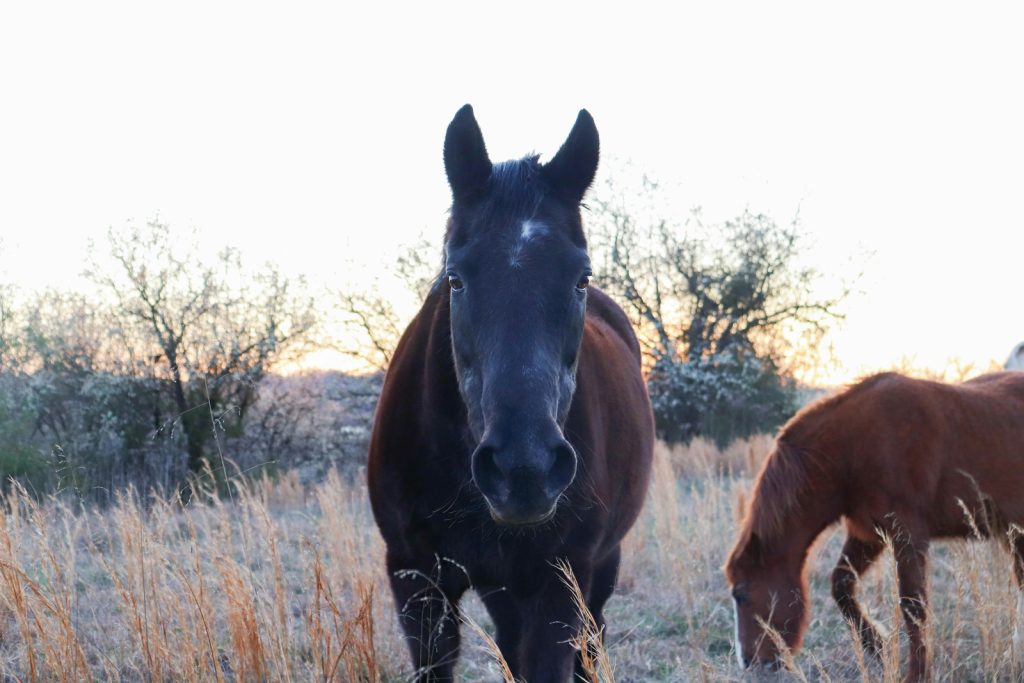
Photo by Laura Roberts on Unsplash
Caring for an aging horse brings a unique blend of devotion, responsibility, and reward. As equine partners grow older, their needs change (sometimes subtly, sometimes sharply), requiring thoughtful adaptation in how we feed, manage, and connect with them. Attentive care doesn’t just extend a horse’s lifespan; it deepens the trust and well-being that define true horsemanship. Let’s dive into the details.
Key Takeaways for Horse Owners
- Monitor subtle physical and behavioral changes — early intervention prevents chronic issues.
- Adapt nutrition and exercise routines to preserve mobility and body condition.
- Keep dental and hoof care consistent; comfort and digestion rely on both.
- Provide companionship, shelter, and stable routines to reduce anxiety and stiffness.
- Organize health and medical records digitally for better coordination with your vet.
Understanding What “Aging” Really Means
Most Irish horses are considered senior by their late teens, though the pace of aging depends on breed, workload, and genetics. Connemaras, Irish Draughts, and sport horses often remain active into their twenties, but age brings predictable physiological shifts: muscle loss, reduced digestion efficiency, joint wear, and hormonal changes. Recognizing these signs early allows owners to tailor care before decline accelerates.
Feeding for Longevity and Digestive Health
Older horses need diets that are easy to chew and rich in digestible fibre. Forage remains the cornerstone of Irish equine nutrition, but hay quality and moisture matter even more as dental health declines. Consider chopped hay, soaked haylage, or senior mashes that combine fibre with added oil for calories.
Before adjusting feed:
- Check teeth for sharp edges or missing molars.
- Introduce new feeds gradually over 10–14 days.
- Work with an equine nutritionist to balance protein, vitamins, and minerals.
Common Feed Adjustments for Senior Horses in Ireland
| Feed Component | Senior Adaptation | Key Benefit |
| Forage | Soft hay or haylage, chopped or soaked | Easier chewing, improved hydration |
| Concentrates | High-fibre, low-starch cubes or mashes | Safer digestion, steady energy |
| Oil supplements | Linseed or rice bran oil | Adds calories without starch load |
| Additives | Joint support, prebiotics, biotin | Aids mobility and gut function |
Mindful Movement and Mobility
Gentle, regular exercise supports circulation, digestion, and joint flexibility. Turnout (even during damp Irish winters) is vital for mental and physical health. Avoid long stabling periods; movement prevents stiffness and helps maintain muscle tone.
Before exercise, always consider:
- The footing — avoid deep or uneven ground for arthritic horses.
- Warm-up and cool-down periods to reduce strain.
- Cross-training light hacking with in-hand walking or liberty movement.
How to Keep Senior Horses Comfortable and Well
Aging horses benefit from routine, companionship, and thoughtful environmental management. Here are essential considerations:
- Shelter: Provide access to a dry, draught-free stable or field shelter during wet or cold months.
- Bedding: Use deep, dust-free straw alternatives such as wood shavings or peat moss for joint comfort.
- Companionship: Social bonds matter — pair older horses with calm companions.
- Hoof Care: Even light-use horses need trimming every 6–8 weeks to prevent imbalance.
- Parasite Management: Targeted worm counts are preferable to blanket dosing; older horses may be more vulnerable to parasite stress.
How-To Checklist: Daily and Seasonal Care Routines
Attentive care thrives on consistency. Use this checklist to maintain oversight.
Daily:
- Observe appetite, manure, and mood.
- Check for heat, swelling, or lameness after turnout.
- Ensure constant access to clean, unfrozen water.
Weekly:
- Groom thoroughly to check skin, coat, and body condition.
- Adjust rugs depending on weather — seniors chill easily.
Seasonally:
- Schedule dental exams twice a year.
- Review vaccination and deworming plans with your vet.
- Adjust diet to account for pasture quality and workload.
Keeping Health Records Organized and Accessible
For many Irish owners, veterinary records still live on paper or scattered across phones and notebooks. Consolidating these records can make an enormous difference. By managing your horse’s medical history, farrier reports, and feed adjustments in one digital file, you create a clearer picture of their well-being over time.
Saving these documents in PDF form allows you to share or store them reliably across devices and retain consistent formatting. You can easily turn files into PDF format using a free online tool, which helps you convert invoices, test results, or notes from multiple file types into one accessible archive. The result is a well-documented life story that supports better decision-making for your horse’s long-term health and comfort.
The Gentle Art of Letting Horses Age Well
Aging gracefully isn’t about doing less — it’s about doing better. Horses that remain mentally engaged, gently exercised, and well-fed often thrive far beyond expectations. Attentive care is as much about watching for quiet cues — a slower chew, a reluctant step, a change in greeting — as it is about structured protocols. The reward is witnessing dignity, vitality, and connection endure through the years.
FAQ: Practical Guidance for Irish Horse Owners
Before we start wrapping things up, here are some common questions that arise among owners managing older horses.
- How often should I have my senior horse’s teeth checked?
Twice annually is recommended. Older horses develop sharp edges and wave patterns faster, which can reduce appetite and cause weight loss. Regular dental care supports digestion and comfort. - My horse is losing weight even on good pasture — what should I do?
Check dental condition, parasite load, and feed digestibility. Adding soaked beet pulp or senior mash can help, but persistent loss should prompt a veterinary exam to rule out metabolic issues. - Are joint supplements worth it?
Glucosamine, MSM, and omega oils may improve mobility, especially when combined with regular low-impact exercise. Results vary, but consistent supplementation and movement often yield visible benefits. - Should I still shoe my aging horse?
If the horse is light-work or retired, barefoot trimming may suffice. However, uneven wear, thin soles, or conformational imbalances can make shoes advisable. Discuss with your farrier. - How can I make Irish winters easier on my older horse?
Provide windproof shelter, quality forage, and adequate rugging. Monitor water access during freezing nights and ensure turnout when possible to prevent stiffness. - When is it time to consider retirement or reduced workload?
Listen to your horse’s behaviour — slowing responses, discomfort under saddle, or reluctance to engage are signals. Transition gradually; many thrive in part-time roles such as leading rides or providing companionship.
Conclusion
Ireland’s equine landscape is built on respect for the horse’s spirit and longevity. Attentive care of aging horses honours that legacy — blending veterinary insight, empathy, and daily presence. When you adapt routines with awareness and compassion, you don’t merely extend years; you enrich every moment shared with a trusted companion.