
How to Confidently Start Horse Ownership in Ireland – your Essential Tips
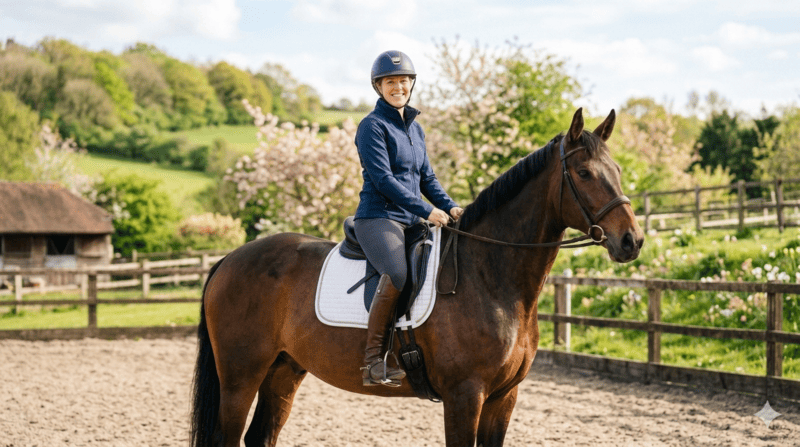
For first-time horse owners in Ireland, bringing a horse home is equal parts Irish horse ownership excitement and quiet nerves. The hardest part often isn’t the riding, it’s the beginner equestrian challenges that show up fast: choosing a horse that suits real life, finding trustworthy help locally, and noticing small changes before they become horse health issues. A new horse ownership journey can feel like learning a new language, especially when equine care basics in Ireland vary from yard to yard and season to season. With the right mindset and clear expectations, early ownership can feel steady and doable.
Match Your First Horse to Your Real Life
This quick five-question check helps you narrow horse breeds for beginners that fit your home setup, health needs, and confidence level. For Irish horse owners and riders looking for accessible guidance and community support, it can turn “What should I buy?” into a calm shortlist you can discuss with local yards, trainers, and vets.
- Map your space honestly
Start with what you can offer every day: turnout, shelter, safe fencing, and a calm feeding area. The goal is not perfection, it’s avoiding a horse that will feel boxed-in or stressed by your setup. The idea behind animal-centered design is a useful lens here because it keeps the horse’s comfort at the centre of your decisions. - Match the horse to your lifestyle and purpose
Choose your “most common week,” not your dream week, then decide what the horse needs to do with you: hacking, lessons, low-level competing, or family all-rounder. When you’re clear on your direction, you can rule out types that need more time, fitness work, or specialist handling than you can reliably give. A simple prompt like consider the purpose helps you stay grounded. - Build a budget that includes Irish weather realities
Write down monthly essentials first: livery or field rent, forage, farrier, routine vet costs, and a small emergency buffer. Then add the “Ireland extras” that often sneak in, such as rug options for wet spells, extra bedding during long indoor periods, and transport for clinics when daylight is short. If the totals feel tight, adjust the type of horse you’re considering rather than hoping costs will behave. - Check allergies and handling comfort before you fall in love
If you have asthma, skin sensitivities, or hay dust triggers, spend time grooming and tacking up different coat types and see what sets you off. Also be honest about your nervous-system bandwidth: a kind horse that is steady to catch, load, and stand still can be more “beginner-friendly” than any breed label. If possible, bring a trusted friend for a second set of eyes when your excitement starts taking over. - Confirm your shortlist with evidence and support
Pick two or three suitable types, then ask sellers for what you need to make a fair comparison, including photos and videos that show the horse clearly on a firm, level surface. Share your shortlist with a local instructor or experienced owner so you’re not making the call in isolation. Only move forward when the horse fits your space, schedule, and confidence on paper and in person.
Yard-Ready Checklist Before Your Horse Arrives
This stable preparation checklist keeps your new-start nerves from driving the timeline. For Irish horse owners and riders seeking accessible equestrian resources and community support, it helps you show up prepared, ask smarter questions, and bring your horse home into a setup that feels safe.
✔ Inspect fencing and gates for gaps, rot, and sharp edges
✔ Set up a dry, draught-managed shelter with safe footing
✔ Create a calm feeding corner with tie points and clear access
✔ Stock essential stable equipment Ireland basics: buckets, nets, headcollar, lead rope
✔ Confirm reliable water supply and frost-proof options for cold snaps
✔ Arrange secure storage for feed, meds, and rugs away from rodents
✔ Plan a quarantine or settling area for the first two weeks
Tick these off, then you can welcome them with a steadier body and a clearer mind.
Habits That Build Calm, Confident Horse Ownership
In Ireland, confidence with a new horse is less about big breakthroughs and more about small practices you can repeat, even on tired days. These habits keep your handling consistent, help nervous rescue horses settle, and make it easier to lean on accessible equestrian resources and community support over time.
Same-Time Basics
- What it is: Keep consistent routines for feed, turnout, and handling.
- How often: Daily
- Why it helps: Predictability lowers stress and helps your horse read you clearly.
Two-Minute Body Scan
- What it is: Pause, breathe, and soften shoulders before you approach.
- How often: Daily
- Why it helps: Your steadier nervous system shapes calmer equine behaviour.
Square Walk Connection
- What it is: Practise the square exercise in-hand with quiet turns.
- How often: 3 times weekly
- Why it helps: It builds calm connection without escalating pressure.
Kind Boundaries Script
- What it is: Choose one cue, one correction, then release and reward.
- How often: Per interaction
- Why it helps: Clear boundaries reduce confusion and prevent accidental roughness.
Weekly Notes and Network
- What it is: Log feed, droppings, mood, and one question for your community.
- How often: Weekly
- Why it helps: Patterns show up early, and support feels easier to ask for.
Common First-Time Horse Owner Questions
Q: How do I choose the right breed or type of horse for my living situation and lifestyle in Ireland?
A: Start with your real weekly bandwidth, not your dream ride, and match that to temperament and management needs. A steady, older schoolmaster type often suits busy households better than a sharp, young horse, even if the breed is less glamorous. Ask to see the horse handled on the ground, hacked out, and tied up, because manners matter as much as movement.
Q: What are the key steps to prepare my home and stable before bringing a new horse home?
A: Do a safety sweep first: fencing secure, gates latching, water supply reliable, and a calm area for unloading. Set up a simple feed plan, a basic first-aid kit, and a clean quarantine option if you can. Print one daily checklist and keep it on the tack-room door so nothing gets missed when you are tired.
Q: How can I help a rescue horse feel safe and comfortable when it first arrives?
A: Keep the first days quiet, with predictable turnout, gentle handling, and minimal visitors. Offer consistent hay and water, then change feeds slowly over 10 to 14 days to avoid digestive upset. Watch for stress signs like weaving, box-walking, or dropping weight, and note them for your vet.
Q: What are some effective ways to build trust and bond with my new horse?
A: Aim for many small, calm interactions: grooming, leading, and standing quietly together without always asking for work. Reward the try, release pressure quickly, and end sessions before either of you gets frazzled. If you share routines with family or a yard buddy, you can update PDF files to maintain one version, as well as save scans of vaccinations and farrier notes.
Q: How can I find a qualified veterinarian and understand horse insurance options to protect my new horse?
A: Ask local yards, farriers, and riding instructors who they call in an emergency, then ring two clinics and see who explains things clearly and listens. Availability can be better than you think, with equine services in County Down offered by 46 veterinary practices. For insurance, learn the basics like liability coverage for third-party injuries and property damage, then compare excess, exclusions, and vet-fee limits before you commit.
Building a Steady First-Week Routine for Horse Ownership
New horse ownership can feel like a constant worry, missing a warning sign, choosing the wrong help, or letting paperwork and routines slip. The steadier path is the one this guide has leaned on: a calm, beginner horse care summary paired with consistent check-ins, trusted professionals, and simple records that support sustainable horse ownership practices. When practical horse care tips become repeatable habits, confidence grows and decisions get clearer, which is how confident horse owners Ireland build stability over time. Consistency turns worry into welfare. Over the next seven days, you can choose one routine to repeat daily and one question to clarify with your vet, farrier, or insurer. That kind of grounded equine ownership encouragement protects health, strengthens partnership, and keeps progress steady when life gets busy.