
How to Turn Your Horse Hobby Farm Into a Thriving Income Source
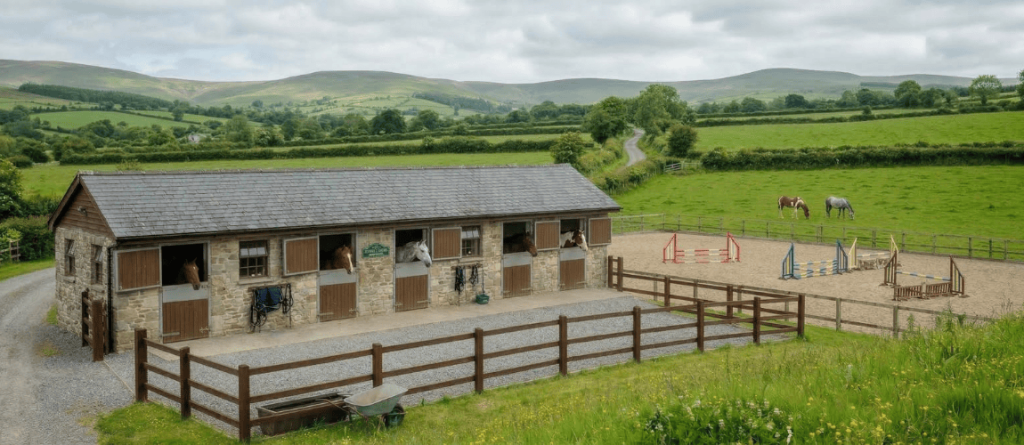
For Irish horse owners and first-time equestrian entrepreneurs, the pull to earn from a few acres and a small yard is strong, especially when costs keep rising and time feels tight. The tension is real: hobby farm monetisation can look like a gamble when horse welfare, insurance worries, seasonality, and finding trusted help all sit on the same shoulders. Yet small-scale horse farming holds genuine equestrian business opportunities, from practical services to experiences that fit local demand. With clear choices and steady habits, a horse hobby farm can become a dependable income stream.
Quick Summary: Turn a Horse Hobby Farm Into Income
- Start by defining a clear offer and brand for equestrian products people can quickly recognise and trust.
- Focus on selling practical equestrian services that match your skills, facilities, and available time.
- Build a simple marketing plan to promote farm-based horse businesses and keep enquiries consistent.
- Set up repeatable systems that make managing a hobby farm business realistic alongside daily horse care.
- Track what sells and refine pricing, messaging, and workload to grow income without burnout.
Understanding Equestrian Brand Identity
To make money from a horse hobby farm, you need to think like a business, not just a horse owner. Your brand identity is the clear story of who you help, what you offer, and why your farm is the right fit.
Strong equestrian branding is more than colours and a logo; it is a consistent feel that speaks to the people you want to attract. Niche marketing and customer targeting keep you focused on one type of rider or horse owner, so your services and products stand out.
Picture two livery yards. One says “we do everything.” The other is known for calm restart schooling and confidence-building lessons for adult riders. The second farm becomes easier to recommend, easier to price, and easier to book.
With that clarity, choosing what to build, market, and sell becomes much simpler.
Turn Your Land Into an Equestrian Business Plan
Here’s how to move from clarity to cash flow. This process helps you choose a sellable offer, test demand, and set up simple operations so your horse hobby farm can earn consistently. It matters in Ireland because riders and owners often want practical, safety-first care and training options they can trust and book again.
- Step 1: Choose one offer you can deliver weekly
Start with a single service or product that fits your facilities and horse set-up, like confidence-building lessons, backing and reschooling packages, livery add-ons, or a small retail line. Write down who it is for, the outcome, and what is included so you can explain it in 20 seconds. Keeping it narrow makes pricing, scheduling, and referrals much easier. - Step 2: Build a “minimum viable” version and validate demand
Create a starter package you can run for 4 to 6 weeks with clear boundaries: days available, capacity, and basic rules. Pre-sell a small number of spots to people already in your orbit, then collect feedback on what they valued and what confused them. Use that feedback to tighten the offer before you spend money on extras. - Step 3: Set pricing and simple sales terms you can enforce
Choose a price that covers your direct costs first, then your time, then a buffer for vet, farrier, fuel, and wear and tear. Write a one-page set of terms: what the customer gets, how to book, payment timing, cancellations, and what happens if weather or the horse changes the plan. Clear terms reduce awkward conversations and protect your time. - Step 4: Market with proof, not promises
Pick two channels you can manage consistently, for example, a Facebook page and a Google Business Profile, and post the same three things on repeat: outcomes, process, and availability. Short case studies work well: the problem, what you did over a few sessions, and the result, with permission. If you are selling products, remember there is real demand in tack and rider gear, with the $12 billion in 2024 global equestrian equipment market showing how large the buying category is. - Step 5: Tighten daily operations with one weekly admin block
Set a fixed weekly time slot for bookings, messages, invoicing, and planning the next week’s sessions. Track three numbers only: leads, bookings, and profit after costs, then adjust one thing at a time based on what is slipping. When you are ready to expand into apparel or branded yard basics, the CAGR of 5.2% projected for the equestrian apparel market can justify a small, carefully tested product line.
Small, consistent steps add up fast when your farm runs on repeatable systems.
Common Questions Before You Monetise Your Yard
A few concerns usually come up when you turn “helpful” into “bookable.”
Q: How can I create a unique brand that reflects my passion for horses and attracts customers to my equestrian products?
A: Start by naming one clear promise you can deliver safely every time, such as calmer hacking, better manners on the ground, or reliable yard essentials. Use your own photos, a simple tone, and one consistent message across signs, socials, and receipts. When you feel unsure, ask past clients what they would tell a friend you do best and build your wording around that.
Q: What are effective ways to market and sell products or services from my hobby farm to other horse owners?
A: Keep it low-stress: post one proof-based story per week, share your available slots, and ask for referrals right after a good result. For products, start with small batches and pre-orders so you do not get stuck with stock. If you teach, online platforms can widen your reach without adding more yard hours.
Q: How can I organize and manage daily operations to avoid feeling overwhelmed when running my equestrian-focused business?
A: Create three routines only: a morning horse checklist, a client delivery checklist, and a single admin window for replies and payments. Write down your booking rules and boundaries so decisions are not made in a rush. Keep one simple tracker for enquiries, confirmed bookings, and costs so you can spot what is slipping early, and to learn more about common operations and management approaches you can adapt.
Q: What strategies can help me maintain a healthy balance between caring for my horses and managing the sales side of my farm?
A: Protect horse time first by blocking daily care, rehab, and training, then selling only the remaining capacity. Price with a buffer for the rising cost of veterinary procedures so emergencies do not wipe out your month. If you feel stretched, limit services to a set number of days and use a waitlist instead of squeezing people in.
Q: What resources or support can I use to develop the skills needed to confidently manage and grow my equestrian products and services?
A: Pick one skill gap at a time: pricing, scheduling, sales conversations, or basic bookkeeping, then set a four-week learning plan with one small implementation each week. Local equestrian networks, business mentors, and short courses can help you practice without pressure. If you want deeper structure, look for training that covers leadership, operations, and simple strategy, not just marketing.
Turn One Horse-First Offer Into Reliable Hobby Farm Income
Most yards don’t struggle from a lack of ideas; they struggle to pick one offer, price it simply, and stick with it long enough to learn what works. The approach here is steady iteration: choose actionable equestrian strategies that suit the horses, the facilities, and the time available, then track a few basics and adjust with persistence in a small farm business. Done well, that’s how motivating horse owners turns into repeat bookings, clear boundaries, and real hobby farm income growth that supports equestrian business success. Pick one offer, measure it weekly, and improve it slowly. Choose one offer this week and commit to running it the same way for four weeks before changing anything. That consistency builds resilience on the yard and a steadier future for horses and people.