
How to Capture Instagram-Worthy Snaps of Your Horse
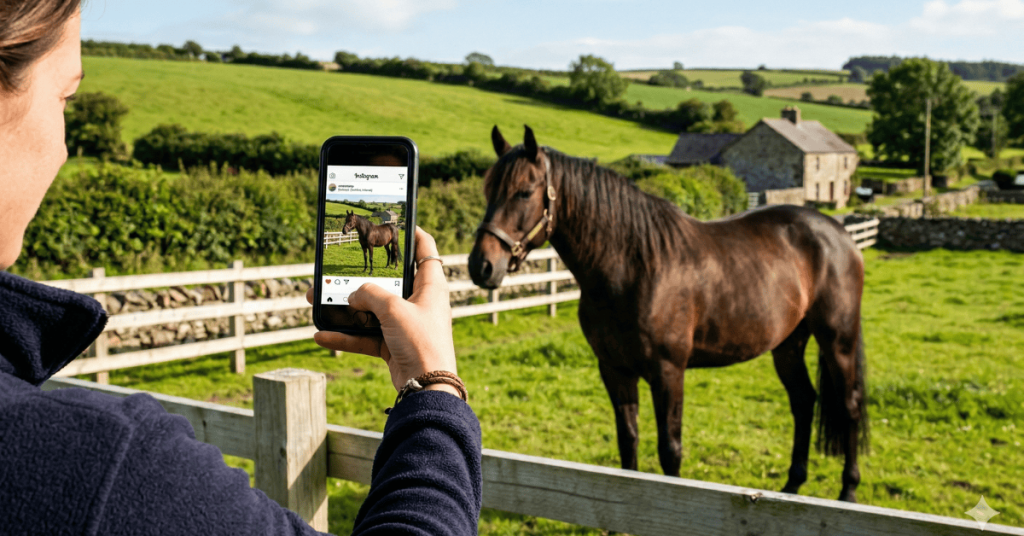
Horse owners and riders know this feeling: your horse looks absolutely stunning in real life… but your phone camera doesn’t quite capture the magic. The angle is off. The lighting flattens their coat. The video feels shaky and forgettable.
The good news? With a few intentional adjustments, you can consistently create scroll-stopping photos and videos of your horse—without needing professional gear.
Quick Takeaways Before You Grab Your Phone
- Light is everything. Shoot during golden hour whenever possible.
- Get down to your horse’s eye level for stronger, more emotional images.
- Clean tack, brushed coats, and tidy backgrounds make a massive difference.
- Short, steady video clips outperform long, shaky ones.
- Think in stories: what mood or moment are you trying to show?
Start With the Basics: Grooming + Setting
Before you even think about angles or editing, focus on presentation.
A shiny coat, clean bridle, and brushed tail elevate your images immediately. Small details—like hay in the forelock or a cluttered barn aisle behind you—can distract from an otherwise beautiful shot.
Here’s a simple preparation checklist you can run through before filming or shooting:
Pre-Shoot Checklist
- Brush your horse thoroughly (especially face and neck).
- Wipe eyes and muzzle clean.
- Check tack for dust or smudges.
- Scan the background for buckets, manure piles, or clutter.
- Position your horse facing soft, natural light.
This 5-minute reset can transform an average shot into something truly eye-catching.
The Power of Light (And When to Avoid It)
Lighting determines whether your horse looks flat—or luminous.
Best Light for Horse Photography
| Time of Day | Why It Works | Best For |
| Golden hour (sunrise/sunset) | Warm glow, soft shadows | Portraits, slow-motion video |
| Overcast days | Even lighting, minimal harsh shadows | Close-ups, detail shots |
| Early morning | Calm atmosphere, fresh coat shine | Liberty or pasture shots |
| Midday sun | Harsh shadows, blown highlights | Avoid if possible |
Golden hour is especially flattering for horses with rich coat colors—bays, chestnuts, and palominos practically glow.
Composition Tricks That Make a Difference
Most riders take photos standing upright and pointing down slightly. That angle can shorten legs and distort proportions.
Instead:
- Get low – Crouch or kneel to shoot at eye level.
- Use negative space – Sky or open field backgrounds add drama.
- Leave room in the direction of movement – Especially in action shots.
- Focus on expressions – Forward ears, soft eyes, relaxed nostrils.
For videos, film in short 5–10 second clips. Walking toward the camera, mane blowing in slow motion, or a simple neck scratch moment can feel authentic and engaging.
Action Shots: How to Make Movement Look Cinematic
Movement adds energy, but it can easily look chaotic.
Here’s a simple approach:
- Stand at a 45-degree angle to your horse’s path.
- Use burst mode for photos.
- Film in slow motion if your phone allows it.
- Avoid zooming while filming—move your feet instead.
Transitions—like walking from shadow into sunlight—look especially striking on video.
Enhancing Your Horse Videos With Creative Tools
Sometimes, you capture a beautiful clip—but it still feels flat. Subtle enhancement can help bring your vision to life.
You can experiment with editing apps to adjust contrast, warmth, and sharpness. Additionally, modern creative tools allow you to transform simple footage into something more cinematic. For example, with an AI video generator, you can turn your clip of your horse into dynamic and engaging Instagram content by adding cinematic b-roll effects, smooth camera motion, and stylized visuals—all from a simple text prompt or existing footage. If you’re curious about exploring this approach, you can click here.
Keep enhancements tasteful—your horse should remain the focus, not the effects.
Telling a Story (Instead of Just Posting a Photo)
The most engaging Instagram content often feels personal.
Instead of posting:
“Sunday ride ”
Try framing your content around a moment, the way businesses do in marketing:
- First ride after time off
- A breakthrough in training
- A quiet grooming ritual at sunset
- Pre-show nerves and post-ride relief
Instagram rewards emotion and connection. Your bond with your horse is your strongest asset.
Frequently Asked Questions
What’s the best phone setting for horse photos?
Use portrait mode for close-ups and burst mode for action. Turn on gridlines to help with composition.
How do I get my horse’s ears forward?
Use a soft noise (like a whistle) or have a helper stand behind you. Keep it brief so your horse doesn’t get stressed.
Should I film vertically or horizontally?
For Instagram Reels and Stories, vertical works best. For longer-form edits or YouTube, horizontal is ideal.
How can I make my videos look less shaky?
Hold your elbows close to your body or lean against a fence post. Walk slowly and smoothly if filming while moving.
Learn From Professional Equine Photographers
If you want to elevate your skills further, studying professionals can help tremendously. The Professional Photographers of America (PPA) offers educational resources, webinars, and inspiration for photographers at all levels.
Even browsing award-winning equine work can sharpen your eye for lighting, angles, and emotion.
Small Tweaks That Instantly Upgrade Your Content
- Turn your horse slightly toward the light instead of facing it head-on.
- Shoot through foreground elements (like fence rails) for depth.
- Capture candid in-between moments, not just posed shots.
- Edit consistently so your feed has a cohesive look.
You don’t need perfect conditions—just awareness.
Final Thoughts
Capturing Instagram-worthy photos and videos of your horse isn’t about perfection—it’s about intention. Pay attention to light, clean up your background, and shoot from angles that flatter your horse’s natural beauty. Focus on authentic moments that reflect your partnership. With a little practice and creativity, your everyday barn time can become content you’re proud to share.