
How To Create a Consistent Daily Routine for Your Horse
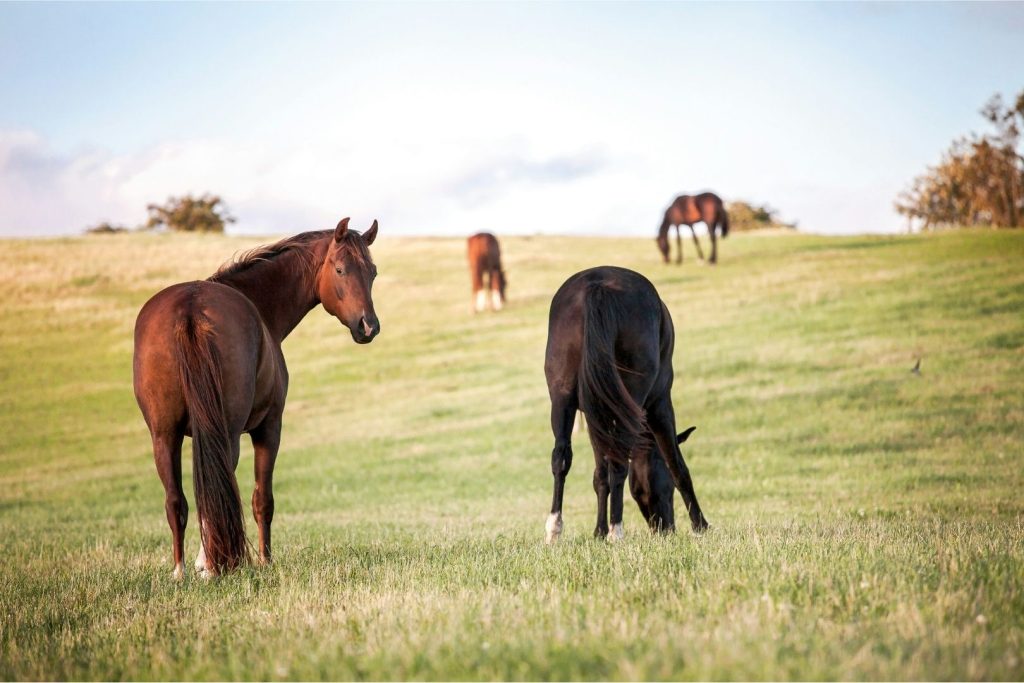
Photo by Louise Pilgaard on Unsplash
Horse owners play a direct role in shaping their horse’s health, behavior, and overall well-being. Horses are creatures of habit. Their digestive systems, stress responses, and social behaviors are all deeply influenced by routine. When daily care is predictable and structured, most horses thrive. When it’s inconsistent, problems often follow.
A Quick Overview
- Horses do best with regular feeding times and steady forage access.
- Consistent turnout and exercise help regulate mood and prevent behavioral issues.
- Grooming and stable management are not just cosmetic — they’re health checkpoints.
- Disorganised routines can lead to weight changes, stress, digestive upset, and irritability.
- Simple planning tools and visual schedules can keep care predictable while allowing flexibility for weather, seasons, or workload shifts.
Why Structure Matters So Much
Horses evolved to graze, move, and interact socially in predictable patterns. Domesticated life doesn’t change those instincts — it simply shifts the responsibility onto the owner.
When structure breaks down, you may notice:
- Feed anxiety or food aggression
- Weight gain or loss
- Increased stall vices (cribbing, weaving, pawing)
- Digestive disturbances such as colic risk
- Resistance under saddle
Inconsistent feeding intervals can disrupt gut health. Irregular turnout can lead to pent-up energy. Sporadic exercise schedules may create confusion or tension in training. A calm, steady routine builds trust — your horse knows what to expect and when.
The Core Pillars of a Daily Routine
Feeding
Consistency in feeding time is critical. Horses’ digestive systems are designed for near-constant forage intake. Long gaps between meals can increase gastric stress.
Key principles:
- Feed at the same times each day.
- Provide consistent forage access.
- Make concentrate changes gradually.
- Ensure fresh water availability at all times.
Turnout
Daily turnout supports circulation, joint health, and mental relaxation. Even performance horses benefit from predictable time outside.
Daily turnout is not a bonus — it is a biological necessity. Horses evolved to move constantly, and restriction is consistently linked to digestive problems, stereotypic behaviors, and tension under saddle. The bar has shifted beyond a few hours in a paddock. Track systems, where resources are spaced around a continuous loop to encourage all-day movement, are gaining real traction as one of the most practical ways to keep horses in an environment that reflects their natural state.
Exercise
Whether light hacking or intensive schooling, regular work creates mental clarity. Horses handled randomly may become reactive or dull.
Grooming
Beyond bonding, grooming:
- Allows you to detect injuries early.
- Promotes circulation.
- Maintains coat and hoof condition.
Stable Management
Clean stalls, consistent bedding, and safe fencing reduce stress. A messy or unpredictable environment often shows up in your horse’s demeanor.
A Sample Daily Structure (Adapt as Needed)
| Time of Day | Task | Why It Matters |
| Early Morning | Hay + Water Check | Supports digestive health and hydration |
| Mid-Morning | Turnout | Encourages movement and mental relaxation |
| Afternoon | Exercise or Training | Maintains fitness and focus |
| Evening | Feed + Groom | Reinforces routine and health monitoring |
| Night | Final Check | Ensures safety and comfort |
This isn’t rigid — it’s a framework. The goal is rhythm, not perfection.
How to Stay Organised Without Overcomplicating It
Some owners keep routines in their heads. That works — until life gets busy. Writing down your feeding times, turnout schedule, and weekly tasks gives you a clear overview and reduces mental clutter.
Visualising yard management tasks can also make a significant difference. Seeing feeding schedules, exercise plans, and care responsibilities mapped out in one place helps prevent important details from slipping through the cracks. Tools that allow you to create simple visual representations — such as boards, diagrams, or planning sheets — can keep daily operations clear and manageable. Some horse owners even experiment with digital visuals created through platforms like AI text-to-image creation by Adobe Firefly to draft layout ideas for feed rooms, turnout rotations, or stable flow. While organisation helps reduce stress, flexibility is still essential — horses rarely follow a script perfectly.
Seasonal Adjustments and Workload Changes
Routines should shift thoughtfully — not abruptly.
In winter:
- Increase forage for warmth.
- Adjust turnout based on footing.
- Monitor water temperature to ensure adequate intake.
In summer:
- Ride during cooler hours.
- Watch hydration closely.
- Adjust feed if workload increases.
For competition horses:
- Maintain feeding times even at shows.
- Recreate elements of the home routine when possible.
The key is controlled adaptation, not chaos.
Practical How-To: Build a Reliable Routine in 5 Steps
- Audit your current schedule.
Write down when feeding, turnout, and exercise actually happen. - Identify inconsistencies.
Are meals delayed? Is turnout unpredictable? - Set anchor times.
Choose fixed times for feeding first — build around that. - Batch similar tasks.
Grooming and tack cleaning can follow exercise to save time. - Review weekly.
Adjust for weather, travel, or training demands.
Small refinements often produce noticeable changes in your horse’s behavior.
Frequently Asked Questions
How strict does a horse’s routine need to be?
It doesn’t have to be minute-perfect, but feeding times should be consistent within a reasonable window. Predictability matters more than precision.
Can too much routine make a horse rigid?
Generally, no. Horses feel secure with structure. Gradual exposure to new environments prevents overdependence.
Is a track system suitable for all horses?
Most horses adapt well, including older horses and those with metabolic conditions. Horses coming from traditional stabling may need a transition period. Space resources far enough apart to encourage movement and monitor body condition as the horse adjusts.
What are early signs of routine-related stress?
Pacing before feed time, aggression in the barn, digestive upset, or sudden mood changes may indicate inconsistency.
Additional Resource: Understanding Equine Nutrition Basics
For clear, research-based guidance on equine nutrition and how to feed and manage your horse’s diet throughout the year, the University of Minnesota Extension’s horse nutrition page is an excellent resource. It covers basics like hay quality, feeding strategies, nutrient needs, and common feeding questions — all tailored for practical horse care.
Consistent daily routines are one of the most powerful tools a horse owner has. Structure supports digestion, emotional stability, and physical soundness. But structure alone isn’t the whole picture. Horses do best when their management mirrors their natural state as closely as possible — with movement, forage, and social contact available throughout the day rather than in isolated windows. The closer your horse’s daily life is to what its biology expects, the less you’ll spend managing the symptoms of stress and restriction.